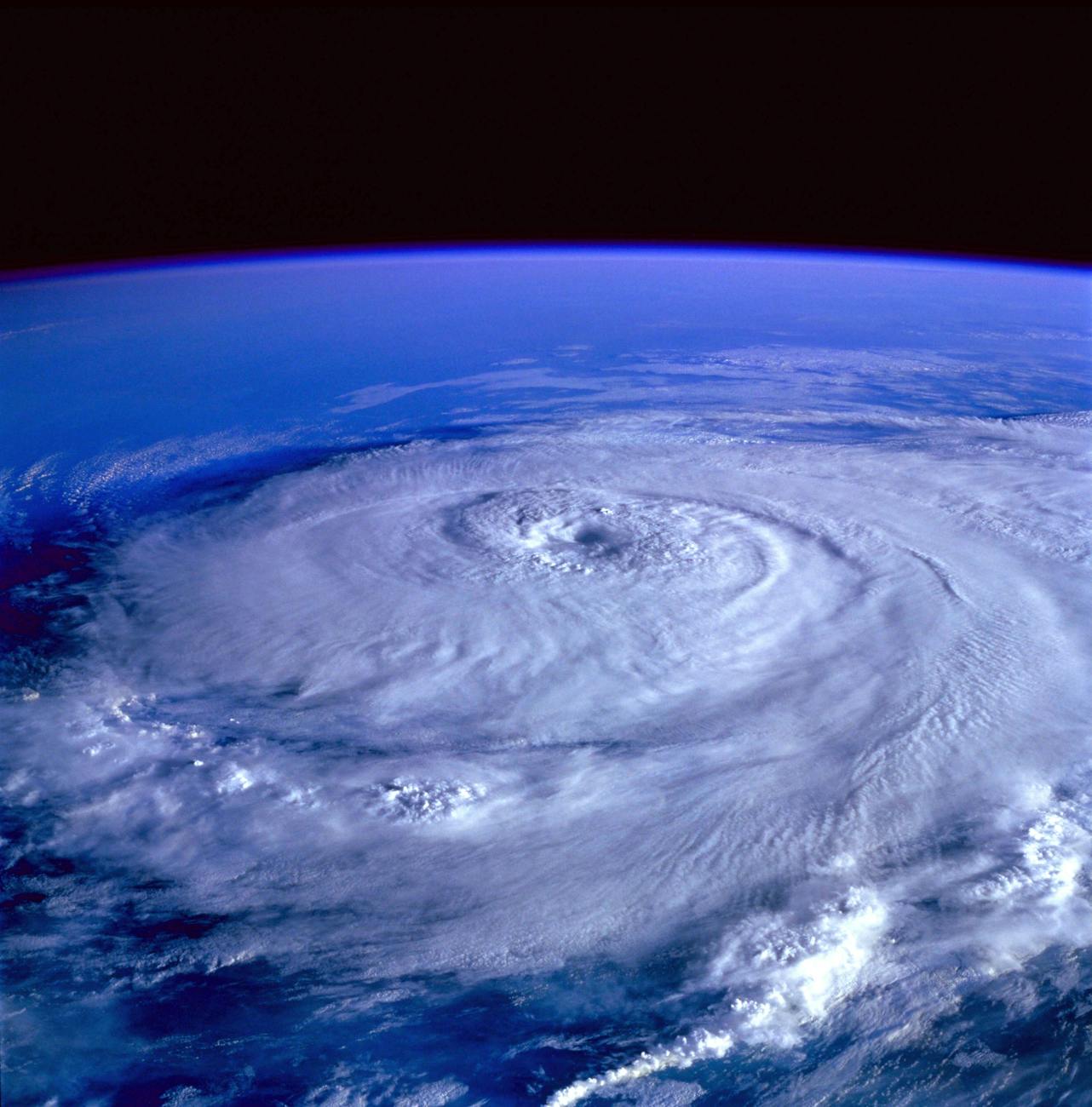
Digital dashboards and satellite imagery sprawled on bright monitors in a semicircle around Scott’s workstation; just beyond them, a bay of wide windows gave him a view of Earth’s surface. He had a job unlike anyone else’s—he lived in a small space station orbiting the planet and used all of the cutting-edge tools in existence to monitor weather patterns and communicate with authorities across the world. From his perch miles above the atmosphere, he felt like he could see everything.
Of course, that wasn’t entirely true. There was only so much information his finite mind could consume at any given time. But the tools at his disposal enhanced his capabilities.
Sometimes Scott felt lonely up here. Different from other folks. But his work was essential, and he adored it.
With his years of experience in meteorology combined with the technology he used, Scott could see what wasn’t apparent to the naked eye or wasn’t even yet on the horizon. He could detect when conditions were converging that would create a hurricane or tropical storm. He noticed when temperatures were going to increase suddenly and lead to flooding or even create dangerous levels of heat for people to be out in. He perceived factors combining to produce heavy snowstorms that could trap people inside their homes or other buildings.
Most of the time, it started as mere hints that, taken by themselves, would avoid notice. But the combination of Scott’s attention to detail with the complex algorithms behind the computer interfaces he used meant he didn’t miss much.
Not all of the meteorological events Scott foresaw rose to the level of a catastrophe. He issued more advisories and watches than strongly-worded warnings. Otherwise, he wouldn’t be doing the best he could to help people prepare for adverse conditions.
In all of these cases, he sent information and recommendations to local authorities.
Because he cared about the outcomes of his work, Scott subscribed to news feeds that told him if his warnings went unheeded. And sometimes they did. Some people didn’t believe disasters could happen to them in general and thought they would be fine regardless. Some had lived in places that hadn’t seen a serious weather event in decades, so people had grown complacent and didn’t believe the warnings. Some had convinced themselves that no information that came from the space station could be trusted—that they had ulterior motives or that the information they published was only their opinion. Some seemed to be resigned and thought anything they good to prepare for or avoid problems wouldn’t do any good.
These reactions saddened Scott because he considered the fruits of following or not following his recommendations to be plainly evident. The consequences ranged from inconvenience all the way to significant suffering for those who ignored him. How much better to listen and be safe!
Scott shook his head to clear it of these thoughts as a warning icon flashed in one section of a monitor. Scott took note of the conditions and location. He quickly pulled together the data and produced a write-up with some firmly-worded directions. He hit a button smartly and sat back for a moment.
This was going to be a big one. He really hoped people listened.
Photo by Pixabay on Pexels.com
 The Weekly Parable