By David Armstrong
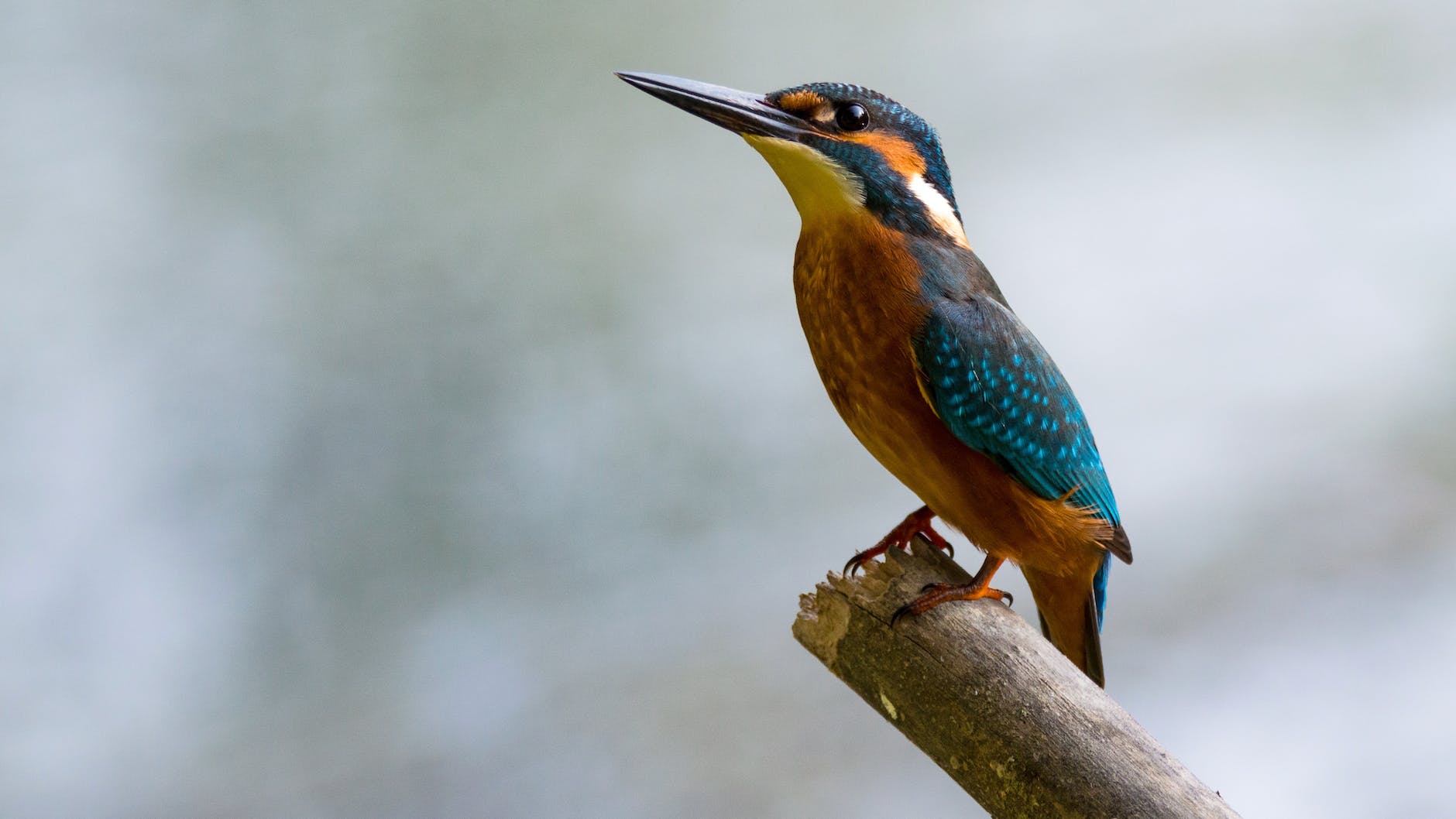
In the twenty-five years Aaron had lived in his suburban home in a small town of northern Utah, he had paid no attention to the birds that occasionally fluttered in and around his yard. During a trip to visit a cousin in Michigan, Aaron noticed the three large bird feeders near the rear deck of the cousin’s house. Beautiful red and blue birds flocked to the feeders, putting on a brilliant display of color and variety.
He mentioned the birds to his cousin, and she stood with him at the picture window and identified each species of bird. He asked how she knew so much about birds. She showed him a small book with photos, names, and descriptions of birds common to Michigan. Every time she would see a bird she didn’t recognize, she looked it up in the book by its photo. She said that learning about the birds connected her with the life outside her home and put her in tune with her surroundings.
Aaron decided he should learn about the birds in his area. When he got home, he bought a round plastic bird feeder with a green top and a tray around the bottom. He filled the feeder with wild bird seed and hung it from a wrought-iron pole by the back fence so he could see it from the picture window in his dining room.
During the summer and fall months, small brown birds perched eagerly on the tray of the feeder and pecked at the seeds. Many seeds fell onto the soil beneath the feeder, and larger birds scratched and pecked the ground for the leftovers. The smaller birds continued to visit the feeder during the winter, especially when the snow was deep.
Aaron bought binoculars and kept them on the dining table so he could study the birds in more detail. With the glasses he could make out the distinct markings on the wings, backs, heads, and throats of the various birds. The birds of a species that before had all appeared identical became distinct in appearance.
He bought a book about the common birds of northern Utah. He began matching the birds he saw with their pictures and learning their names and their predictive habits.
House finches most commonly perched on Aaron’s feeder. As he watched them, he began to observe their cautious behaviors. A flock of ten or more typically swarmed into his yard and headed immediately for the big lilac bush, where they disappeared for a minute or more. Then, gradually, a few at a time, brave scouts ventured out of the bush and hopped haltingly along the top of the cedar fence, inching their way toward the feeder. The bravest pioneer perched on top of the iron pole and waited, looking warily from side to side. Other scouts hopped closer. One or two of the hungriest finally jumped down to the feeder tray and snatched at a few seeds before hightailing it back to the lilac bush. The lookout then fluttered down and crunched a few seeds before flying away.
When nothing scary jumped up or dropped down from above, more finches made their way slowly to the feeder. Soon the little brown birds surrounded the tray. Out of nowhere, a bright yellow finch swooped in and forced his way onto the tray. Then a finch with a striking red head appeared. Aaron was delighted with his discovery of three different kinds of finches.
Over time, Aaron learned that if he sat very still on the patio, the skittish birds would forget he was outside and come to the bird feeder. Not only could he see them better, but he could hear them. The finches were certainly not song birds, but they chirped and chitted happily to one another. He wondered what their noises might mean.
Other birds showed up. A pair of pigeons made regular visits to the backyard, scavenging the seeds tossed on the ground by the eager finches. Aaron read in his book that pigeons are the same as doves and that they mate for life. He assumed the larger of the pair was the male. For about a week, a third pigeon tried to crash the party. The male always positioned himself between the smaller newcomer and the female. The bigger dove repeatedly chased the interloper away with a startling leap and vigorous flapping of wings. Eventually, the intruder flew away and didn’t return. Harmony was restored.
Robins dropped by from time to time. Aaron was surprised that their breasts were not really red but a burnt orange. True to the description in the book, the robins stomped their feet on the bare earth of the vegetable patch and drove their sharp beaks into the dirt. At least half the time, they would pull up a juicy worm.
On a cold day in November, a large gray bird with dark speckles on its back and a flash of red near its beak discovered the warmth emanating from the open window of the upstairs bathroom. It quickly pecked its way through the screen mesh and found itself trapped in the restroom. With a broom and patience, Aaron coaxed the bird out through the hole in the ruined screen. After a neighbor told him the bird was a flicker, he began noticing the member of the woodpecker family clinging to the trunks of the aspen trees lining the side yard and eyeing the closed window.
That same fall, Aaron watched geese fly overhead in their distinctive flying-V formation, honking encouragement to the leader. In the spring, a solo humming bird buzzed noisily about the newly sprouted leaves of the alder tree in the corner of the yard, then swooped down to examine the blooms on the rose bushes. Aaron had heard that hummingbirds never stop beating their wings, so he was surprised when the bird landed on a branch of a nearby aspen and took a breather.
A flock of starlings overran the back lawn and garden one day. There must have been more than two dozen of the black birds with light speckles on their backs and light-brown beaks. They hunted and pecked their way all over the yard. Then, as quickly as they had descended, they launched off simultaneously, as if responding to a signal.
On another fall morning, Aaron sat in his usual spot on the patio to watch the finches. None of the little birds approached the feeder. They all seemed to be nesting in the boughs of the aspen trees above his head. Suddenly, the happy chirping turned into a cacophonous crash of screeching and high-pitched squawking. The trees rustled with excitement as scores of tiny wings flapped furiously among the yellowing leaves.
Curious what all the fuss was about, Aaron looked up into the trees. And there, perched directly above his head, not ten feet away, was a hawk. The silent predator had invaded the nesting space of the finches. The large bird seemed to pay no attention to the agitation he had caused. Aaron quickly lifted his cell phone and tapped the camera app. When he looked up again, the hawk had disappeared as silently as it had arrived. The noise in the branches settled back into the carefree trilling of the much-relieved finches.
A murder of crows took possession of the neighborhood one day. Aaron counted at least fifty of the jet-black birds. Many roosted in the giant walnut tree in the corner of the neighbor’s yard. Some pulled the walnuts off the tree while others scavenged for fallen nuts on the ground. One after another, the big birds flew with a nut grasped in their beaks to a narrow tree branch or the peak of a nearby roof. With determination, the birds clutched the hard nut with their claws and tried to break open the shell with vicious thrust of their bills, only to watch the prize slip from their hold and fall to the ground.
Aaron looked out the window of the front room and saw even more crows infesting lawns and trees. He decided to go for a walk around the block to see the full extent of this D-Day invasion. When he opened the front door, every crow on the ground within a hundred yards took to the air and circled around and into the trees. As he walked down the sidewalk, the black birds scattered with a great deal of squawking, only to settle back on the ground again when he was three or four houses down the lane.
Aaron made the circuit around the block, and when he got to the corner of his street to return to his house, he stopped. A group of birds had taken possession of his front lawn. He noticed, however, that not every crow had landed on the ground. One bird in particular had settled in the very top of the tallest aspen tree in the next door neighbor’s yard. From this commanding perch, the lone crow turned his head this way and that, keeping an eye on the landscape below and the skies above.
Aaron stepped forward, coming out of the shade of a tree by the sidewalk. The sentinel in the aspen jerked its head around to peer intently at Aaron with one wary eye. Aaron took another step, and the crow in the tree let out a single caw. The flock on the ground went about their business unperturbed. Aaron began a slow amble along the sidewalk, keeping an eye on the lookout crow. When he was fifty yards from the observation tree, the crow let out two distinct squawks. A couple of birds on the ground by Aaron’s house cawed back but otherwise continued their foraging. At thirty yards from the tree, Aaron heard the lookout screech three times. Many of the birds in the yard stuck their heads up, looked around, and began to hop about with more animation.
Aaron was just ten yards from the tree, still moving at a slow pace, when the crow in the tree launched four urgent squawks. A few of the birds in the yard took to wing and nestled in a nearby elm. As Aaron came directly beneath the aspen tree—still a good ten yards from his own property where crows continued to scour the lawn—the sentinel announced the man’s encroaching presence with five frantic caws. Every bird on the ground launched into the air and whirled as a group above the rooftops.
Rather than proceed into his house, Aaron continued at his leisurely pace along the sidewalk. He had almost reached the next neighbor’s property when he heard four clear squawks behind him. After a few more steps, three caws followed. A quick turn of his head showed him that a few of the circling crows had landed again on his lawn. When he was a couple houses down the street, two caws invited more birds to take their places again on Aaron’s front lawn. When he reached the edge of the third lot past his house, Aaron heard the single squawk of the all-clear signal. He didn’t have the heart to stir them up again, so he made another turn of the block. When he got back to his corner, the murder had moved on down the street. He glimpsed the sentinel settled in the top of a tall evergreen, giving the spy an overarching view of the area. Aaron had learned to speak crow.
Aaron had never noticed before how full the world was with birds. They were everywhere he looked. Seagulls perched on the light posts overlooking the parking lots of the fast food restaurants. He caught sight of three pelicans from the Great Salt Lake winging their way overhead. On vacation, he looked out the motel window at a nearby pond and saw a white hooping crane bow and stretch its neck, flapping its huge wings. And even when he couldn’t see birds, he heard them. Finches called to one another from one tree to the next. The hooting of an invisible owl pierced the quiet fall night. Birds were never far from him, or rather, he seemed to never be far from birds. How much brighter, broader, richer, and filled with life Aaron’s world had become because he had taken the time to learn to look and listen.
Photo by Pixabay on Pexels.com
On commenting: Please share your thoughts! You can leave an email address, but it’s not required. Leaving an email address may prompt you to sign in with a social media or WordPress account.
 The Weekly Parable